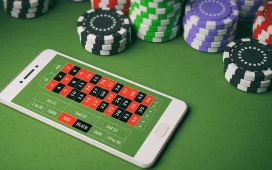
Round frequency determines how many hands are completed per hour, significantly impacting player engagement, session duration, and overall platform appeal. Faster round frequencies let players experience more hands in limited time periods, appealing to those seeking action-packed sessions. Optimal frequency balances player preferences against dealer capabilities and technical constraints. Players accessing บาคาร่า tables find varying round frequencies across different platforms and table types, enabling selection matching personal pace preferences and playing styles.
Engagement and immersion
Faster hands create sustained engagement, keeping players actively involved without lengthy waits between decisions: Quick successive rounds maintain mental focus, preventing attention wandering to other activities or platforms. Continuous action flow generates excitement and momentum that slower games struggle to build effectively. Reduced downtime between hands means less opportunity for players to second-guess decisions or quit. Higher frequencies suit short session players wanting maximum hands dealt during the limited available time.
Bankroll consumption rates
Round frequency directly correlates with how quickly bankrolls get consumed, assuming consistent bet sizing. Faster tables risk depleting funds rapidly if losing streaks hit during compressed timeframes. Slower paces extend playing time on fixed bankrolls, making budget management easier. Players with smaller bankrolls often prefer slower frequencies, maximising entertainment duration per dollar. Higher frequency tables suit bigger bankrolls that can withstand faster win-loss variance swings.
Decision quality impact
Rapid-fire hands potentially reduce decision quality as players feel rushed when making betting choices. Extra time between slower rounds allows consulting scorecards, analysing patterns, or adjusting strategies. Experienced players, who are comfortable with quick decisions, prefer faster frequencies, while newer ones need extra thinking time. Pressure from fast pacing can lead to impulsive bets deviating from planned strategies. Balanced frequencies provide enough time for thoughtful decisions without dragging unnecessarily.
Pattern tracking ability
Slower frequencies give players time to record outcomes in scorecards or tracking systems between hands. Rushed pacing makes maintaining detailed pattern records difficult, potentially affecting strategy execution. Players using complex tracking systems need adequate time between rounds to update records. Speed-focused players often skip pattern tracking entirely, betting more on intuition or fixed strategies. Table selection often depends on whether tracking capabilities matter for individual playing approaches.
Technical performance requirements
High-frequency tables demand more robust streaming infrastructure handling rapid successive hand processing: Faster bet processing systems needed, ensuring bets register quickly during compressed betting windows. More efficient dealer workflows are required to maintain quality while accelerating hand completion. Increased server capacity processes higher transaction volumes from more hands per hour. Better optimisation prevents lag or delays that become more noticeable at faster paces.
Revenue optimization
Operators balance frequency against player retention, recognising that too-fast tables burn through bankrolls, causing earlier session endings. Higher frequencies increase hands dealt per table per hour, improving revenue efficiency from dealer labour. Finding optimal frequency maximises total player spend by balancing engagement against bankroll longevity. Different frequency tables cater to different player segments, maximising overall platform appeal. Analytics tracking retention rates across various frequencies informs optimal table speed configurations.
Competitive positioning
Platform differentiation partially comes from offering frequency options that competitors lack, addressing underserved player preferences. Ultra-fast tables appeal to action-seeking players while slower ones attract deliberate strategic players. Variety in frequencies keeps players on single platforms rather than splitting time across multiple sites seeking preferred paces. Marketing emphasises frequency options as features distinguishing platforms in crowded markets.
Round frequency represents a critical design parameter balancing player engagement, bankroll management, decision quality, and operational efficiency with different optimal points for different player segments and platform strategies.